
Departments
A procedure management system that records every consumable used
Clinor's procedure management system records each procedure ordered from the visit and the consumables used, drawn from stock earliest-expiry first. A Procedure consumables report with CSV export and reconciliation shows where every item went.
Available on Enterprise · see pricing
The problem
What goes wrong without it
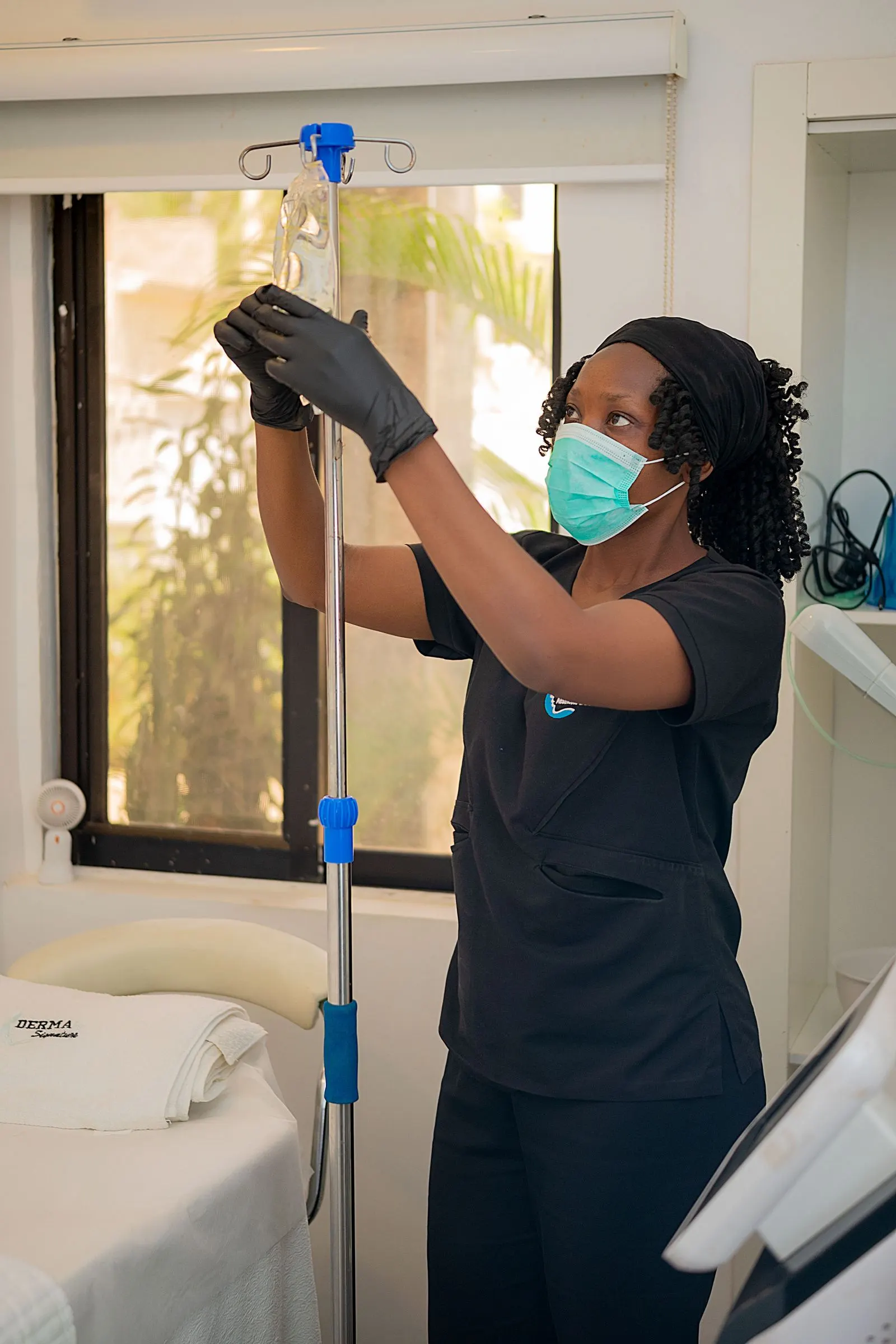
Gloves, sutures, cannulas and dressings leave the store by the box, and nobody can say which procedure used them. Some are never accounted for; others expire on the shelf while newer stock is opened first. When stock runs short, the theatre and the store blame each other.
How Clinor handles it
Clinor's procedure management system follows each procedure from the order to the consumables used, so the theatre, the store and the billing office all see the same record.
Procedures ordered from the visit
A clinician orders a procedure from the consultation, whether it is a wound dressing, an incision and drainage or a caesarean section. The procedure goes to the team that will carry it out, and it is added to the patient's running bill in billing at the same time.
Consumables recorded per procedure
When the procedure is done, the team records the consumables used against it: the sutures, gloves, gauze, cannulas and other items. Clinor draws each item from stock earliest-expiry first, so older batches go out before newer ones and the store's balance stays true.
Stock lives in supplies and inventory, with batches, expiry dates and minimum, reorder and maximum levels per store. When consumables are recorded against a procedure, the theatre store and the main store work from the same figures.
The Procedure consumables report
The Procedure consumables report lists what each procedure used, with CSV export and reconciliation, so the store manager and the theatre in-charge can check the figures together. Gaps show up in the same week, not at the year-end stock take.
Consent before the procedure
Many procedures need written consent. If your facility sets a consent rule for procedures, Clinor holds the procedure until consent is recorded on the patient record. In an emergency an authorised user can override the rule, and the override goes into the audit trail with who did it and when.
Payment or cover first
Financial clearance works department by department. With it on for procedures, a procedure waits until it is paid for or covered by SHA or the patient's insurer. On an SHA visit the procedure becomes a claim line as soon as it is billed; see SHA and insurance claims.
Procedures in your reports
The procedures report shows the procedures done over any period, with CSV and PDF export. Read together with the consumables report, it shows both the volume of work and the stock it used, which helps when you review your procedure prices or plan theatre lists.
Why it matters to the store
Consumables are a steady, quiet cost. A few gloves or a suture pack here and there do not look like much, but across a month of procedures they add up. Recording them against each procedure, and drawing them earliest-expiry first, keeps that cost visible. For more on keeping expiry losses down, read how to stop pharmacy stock losses and expired drugs.
Who it suits
Procedures and consumables is on the Enterprise plan. It suits maternity and nursing homes, Level 2–4 hospitals with a theatre or minor-procedure room, and hospitals with in-house pharmacy, lab and imaging.
Key capabilities
What you can do with Procedures & consumables
-
Ordered from the visit
Procedures go from the consultation to the team.
-
Consumables per procedure
Every item used is recorded against it.
-
Earliest expiry first
Older batches are drawn from stock first.
-
Consumables report
CSV export and reconciliation.
-
Consent rules
Hold a procedure until consent is recorded.
-
Billed as it happens
On the running bill, and on the SHA claim for SHA visits.
Related features
Works well with
-
 Back office
Supplies & inventory
Clinor is a hospital inventory management system for Kenyan facilities that tracks every item by batch and expiry date, issues earliest-expiry first and records every transfer between stores. Minimum, reorder and maximum levels per store, with daily stock alerts, show what to order before it runs out.
-
 Money
Billing & cashier
Clinor is a hospital billing system for Kenyan facilities that adds every consultation, test, scan, procedure and drug to a running bill as it is ordered. Each bill splits what the patient owes from what SHA or the insurer owes, so cashiers collect the right amount.
-
 Clinical
Consultation & EMR
Clinor keeps electronic medical records for Kenyan hospitals and clinics in one place. Clinicians write visit notes, code diagnoses in ICD-11 and send lab, imaging, procedure and prescription orders straight from the consultation.
Who uses procedures & consumables
Free demo
See procedures & consumables on a site like yours
A short walkthrough of a project budget, a requisition, a delivery and a casual roll-call, on a call or at your office. Book online, call or WhatsApp us and we will set a time that suits you.